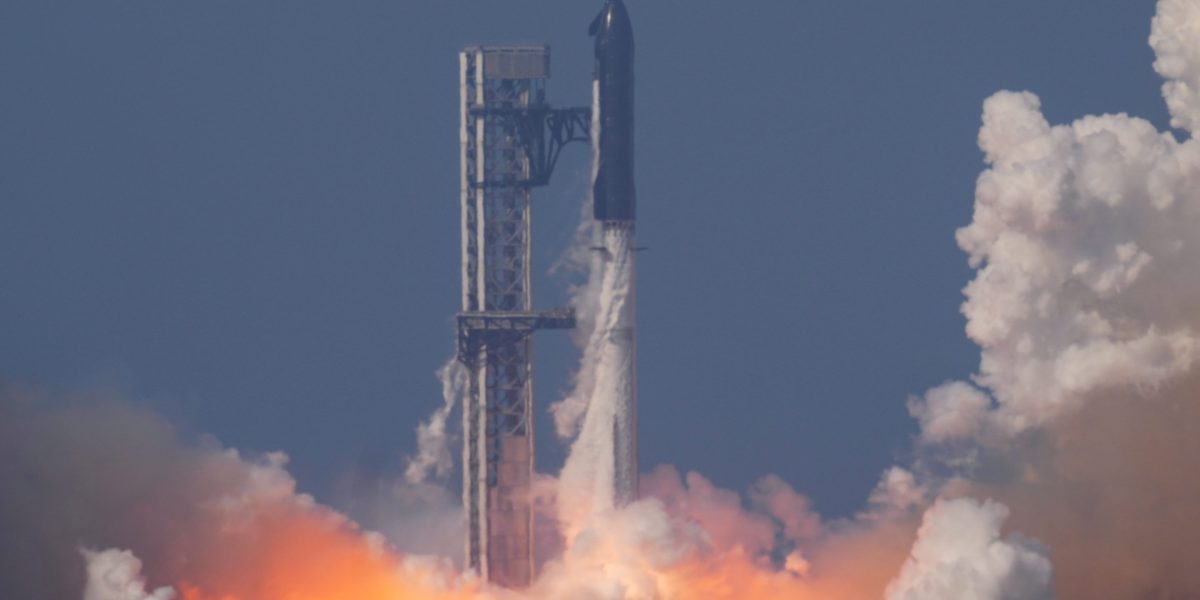
Starship V3 is a fully reusable next-generation launch vehicle designed to support multiple SpaceX businesses. At 408 feet tall, it can carry up to 100 metric tons, compared with 35 metric tons for V2. The vehicle uses 33 Raptor 3 engines delivering 18 million pounds of force at liftoff. Starship V3 is intended to underpin Starlink satellite internet, cell phone plans, and orbital data centers, while also enabling large-scale convergence between ground and orbital infrastructure. SpaceX expects Starship to support building a moon base and eventually a Mars colony. Starship V3 remains in development and is undergoing test flights, with a recent scheduled test flight scrapped and a subsequent launch completed. Higher payload capacity supports launching more next-generation satellites for a planned expansion to 42,000 low Earth orbit satellites.
"This next-generation vehicle is what enables all of these future businesses. Starlink’s satellite internet business, its cell phone ambitions, and its plans for orbital data centers are based on the V3, according to Anderson. The vehicle’s role extends beyond launches, serving as the infrastructure foundation for multiple revenue streams tied to operating in space at scale."
"Anderson also sees a convergence between ground-based infrastructure and orbital infrastructure on a large scale, creating opportunities to move heavy industry off planet. He links this shift to Starship V3’s capabilities, positioning the vehicle as a key enabler for large-scale operations that connect terrestrial systems with space-based production and services."
"Starship is expected to play a role in building a base on the moon and eventually a colony on Mars. SpaceX’s IPO filing showed that Musk would receive additional shares if he puts data centers in orbit and builds a Mars colony. Starship V3 is presented as the vehicle that supports these long-term frontier objectives."
"Starship’s significantly higher payload capacity enables the company to launch more next-generation satellites to space than could ever be handled by SpaceX’s partially reusable Falcon 9. This is important as SpaceX eventually plans to put 42,000 satellites in low Earth orbit, up from about 10,0. The increased capacity supports scaling satellite deployment for Starlink’s future network."
Read at Fortune
Unable to calculate read time
Collection
[
|
...
]