"Whether it's investigating the financials of Elon Musk's pro-Trump PAC or producing our latest documentary, 'The A Word', which shines a light on the American women fighting for reproductive rights, we know how important it is to parse out the facts from the messaging. At such a critical moment in US history, we need reporters on the ground. Your donation allows us to keep sending journalists to speak to both sides of the story."
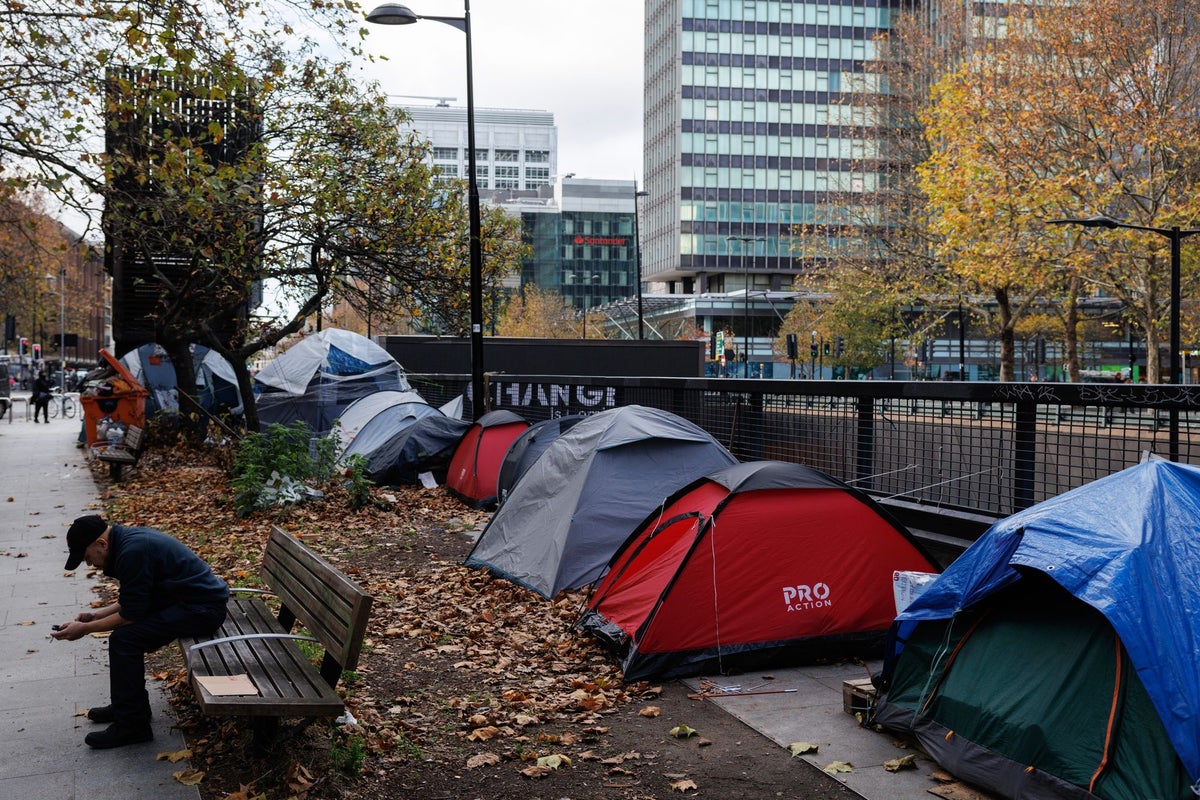
"Less than a week after becoming street homeless, an Ethiopian refugee came to the Refugee Council when her latent tuberculosis was at risk of becoming active. Just 28 days after receiving her refugee status, she was forced to sleep in a tent in south London after she was evicted from an asylum hotel in the last week of September. Like many refugees left street homeless, she experienced a constant sense of danger and struggled to sleep."
"But even when she was finally able to find housing, she was faced with a difficult decision. Unable to afford food, she would experience burning sensations in her stomach as a side effect; twice a week she commuted to hospital, who gave her controlled doses of the medication. The inconsistent nature of homelessness increased the risk of her tuberculosis becoming infectious. It became uncontrolled because her homelessness didn't allow her to regulate her medication, says Hillary Kent, a destitution casework coordinator for Refugee Council."
Independent journalism covers reproductive rights, climate change, and Big Tech while funding on-the-ground reporting through reader donations and avoiding paywalls. Quality reporting is offered free to the public and supported by those who can afford it. An Ethiopian refugee developed a risk of active latent tuberculosis less than a week after becoming street homeless, after eviction from an asylum hotel 28 days after receiving refugee status. She slept in a tent, felt constant danger, and struggled to sleep. Homelessness disrupted her medication regimen; food insecurity caused stomach burning, required twice-weekly hospital trips for controlled doses, and increased the risk of infectious tuberculosis. Refugee support workers warn many refugees face homelessness this winter linked to Home Office actions.
#refugee-homelessness #tuberculosis-and-public-health #independent-journalism-funding #paywall-free-news
Read at www.independent.co.uk
Unable to calculate read time
Collection
[
|
...
]