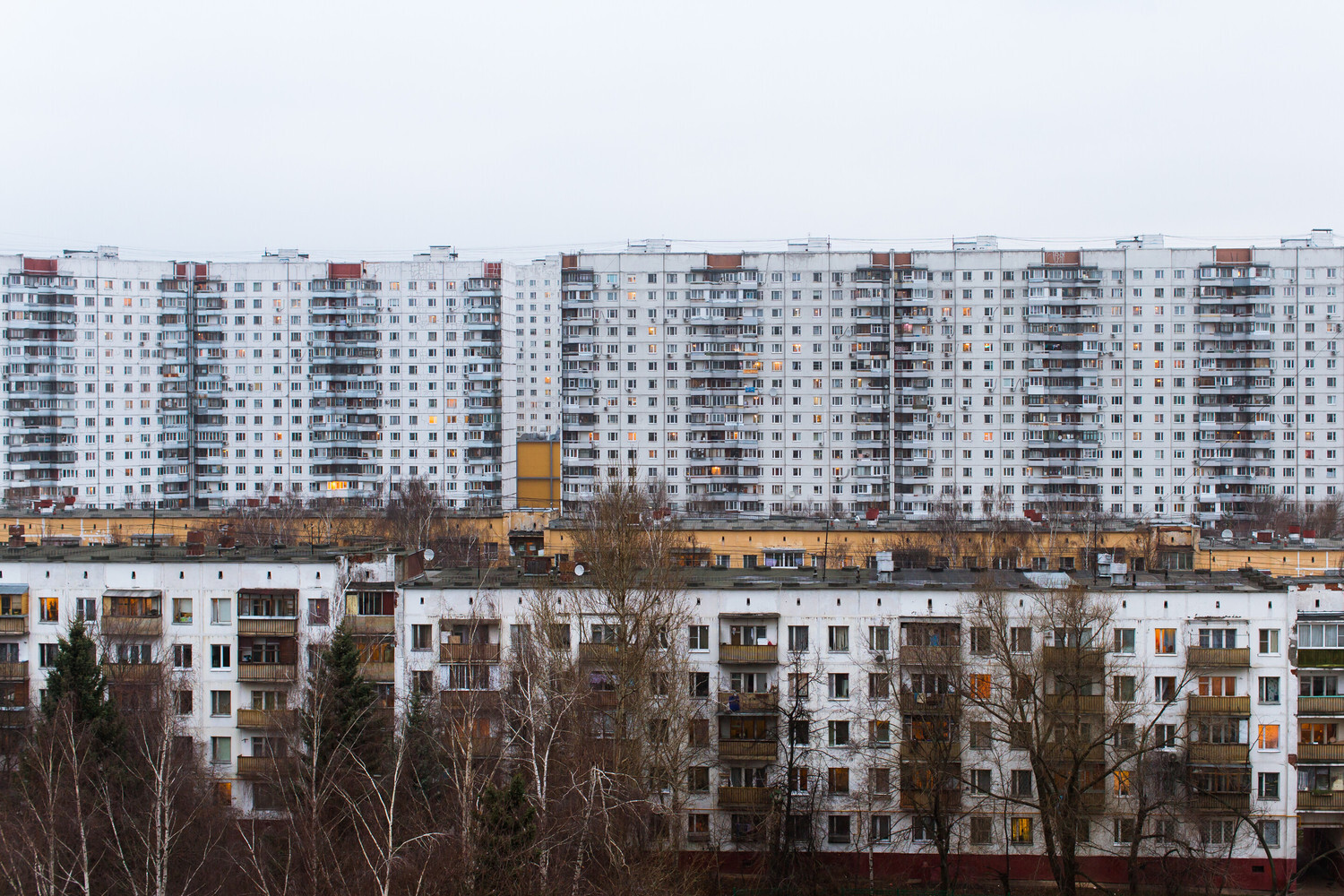
Architecture often appears as a visible expression of its time, but buildings are produced through specific conditions involving politics, economics, and competing visions of collective life. Modernism is frequently described as a coherent project with formal clarity, technological optimism, and a break from historical styles. That coherence weakens outside canonical centers, where similar spatial principles like standardization, functional zoning, and industrial production were applied within political and economic contexts that differed in structure and objectives. The movement operated as a flexible system that reoriented to each regime’s priorities. Understanding twentieth-century architecture requires examining who commissions, builds, inhabits, and under what conditions, since these factors reveal architecture’s political dimension.
"Architecture is often presented as the visible expression of its time, its desires, its faith in progress, its idea of order. Yet this reading tends to flatten the conditions under which buildings are produced. It suggests that architecture follows history when, in many cases, it actively participates in it. Few periods make this more evident than the twentieth century, when architecture became deeply entangled with political programs, economic systems, and competing visions of how collective life should be organized."
"What is commonly grouped under the label of Modernism is often described as a coherent project, defined by formal clarity, technological optimism, and a break with historical styles. But this apparent coherence dissolves when we look beyond its canonical centres. The same spatial principles ( standardization, functional zoning, industrial production) were adopted in political and economic contexts that differed significantly in their structures and objectives. A static movement unfolded as a flexible system continuously reoriented according to the priorities of each regime."
"To understand twentieth-century architecture, then, is to examine the structures that made those forms possible: who commissions, who builds, who inhabits, and under what conditions. These questions do not sit outside architecture, as context or background. It is there, perhaps, that architecture reveals its political dimension."
#modernism #architecture-and-politics #standardization-and-zoning #economic-systems #20th-century-architecture
Read at ArchDaily
Unable to calculate read time
Collection
[
|
...
]